07 January, 2026
Reporting Month: January2025
Region/Area Covered: TamilNadu (Kanchipuram, Chengalpattu, Hosur)
1. Executive Summary
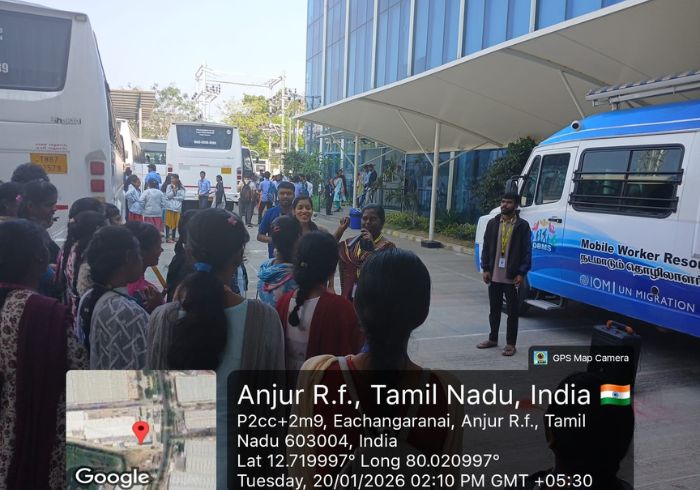
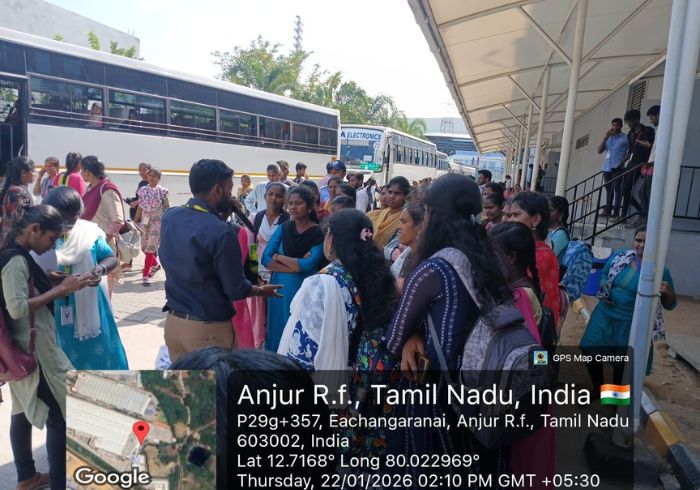
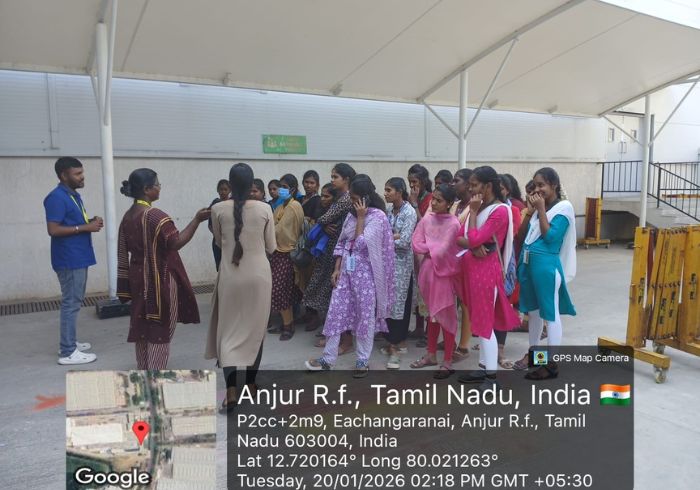
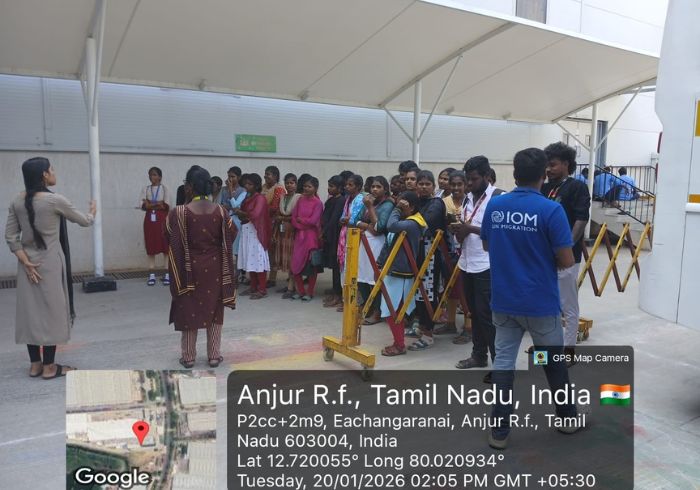
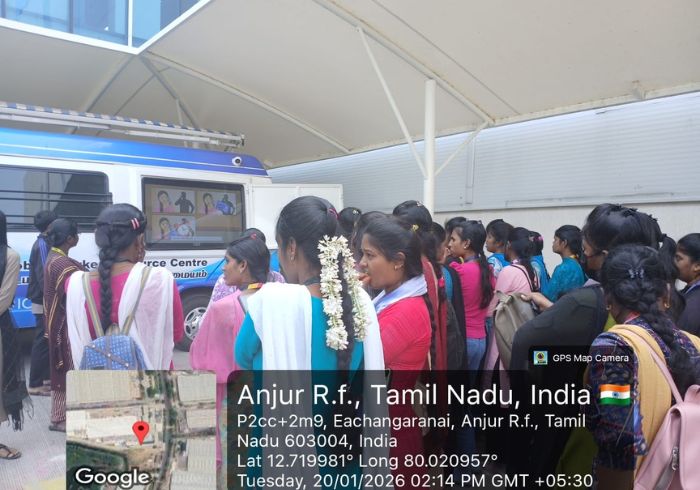
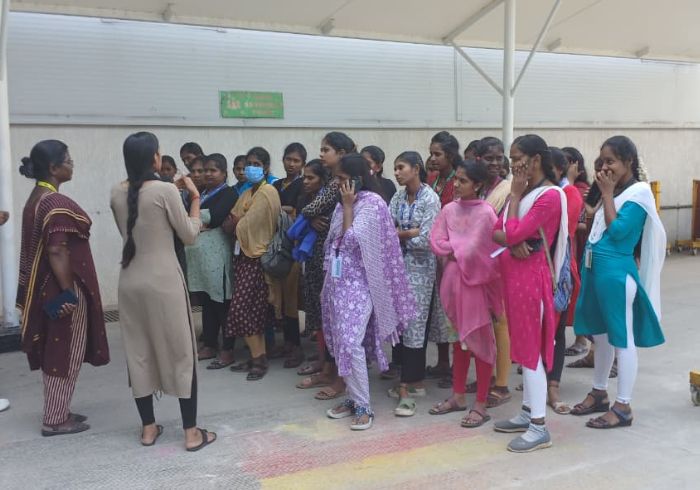
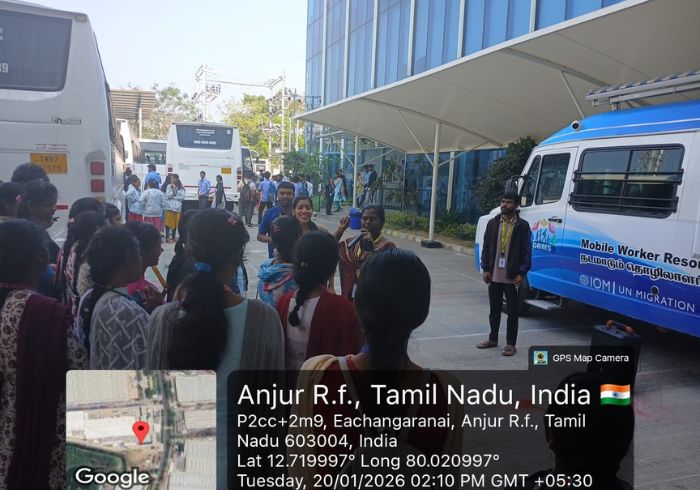
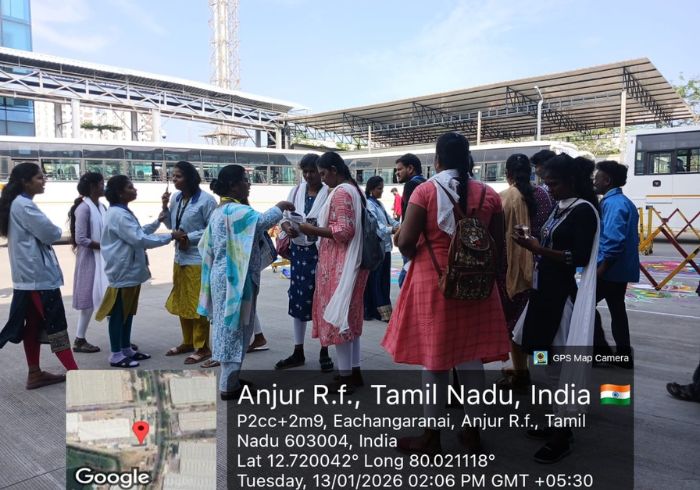
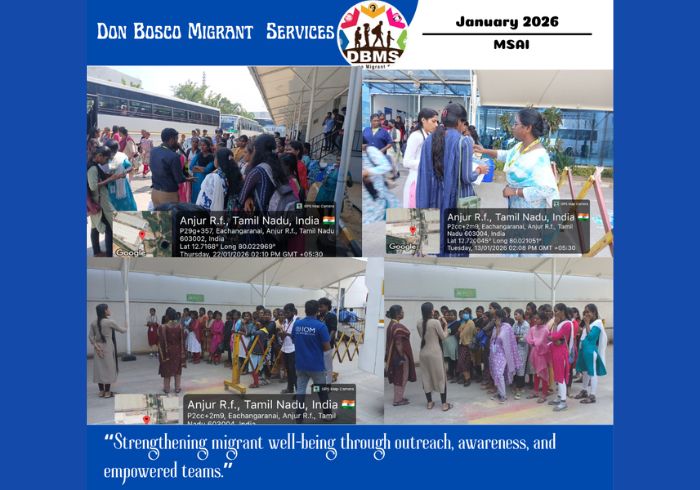
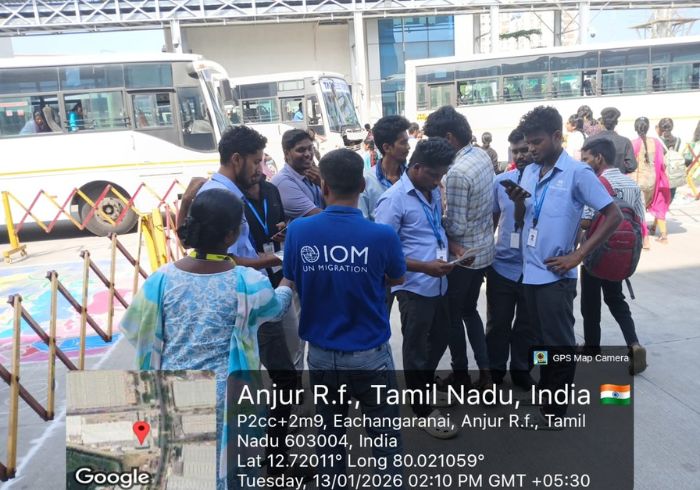
During January 2026, MWRC carried out extensive outreach and capacity-building activities to support migrant workers across multiple companies and dormitories such as TPES(Pegatron), Foxconn, and SALCOMP. A total of 12 company and dormitory visits were conducted, reaching approximately 885-960 workers. Sessions focused on health, mental well-being, sleep management, digital safety, financial literacy, social and emotional well-being. Workers were also informed about linking Aadhaar numbers with bank accounts, updating addresses in Aadhaar cards, and other MWRC services to support their overall well-being and access to government schemes. The month also included a two-day staff training programme on 7th& 8th January at the Pannur Office, organized in collaboration with the Sampark Foundation Team, covering Financial Literacy, Professional Development, Communication, and Cultural Integration. This combination of field outreach and capacity building contributed significantly to improving worker awareness, staff skills, and overall alignment with MWRC and IOM objectives. The activities fostered positive engagement with migrant workers, strengthened coordination with company management, and enhanced the ability of MWRC staff to provide practical support and guidance.
2. Outreach Summary
Total Number of Company Visit Days:12 Locations Covered:
TPES(Pegatron)-MahindraWorldCity, TamilNadu TPES
Dormitory - Hosur, Tamil Nadu
Foxconndormitory-Kanchipuram, TamilNadu
SALCOMP - Kanchipuram, Tamil Nadu
Total Workers Reached: Approximately 885-960
Topics Discussed: Health and hygiene, Mental health and stress management, Sleepand overall well-being, Digital safety, financial literacy, Social & emotional well-being, Overview of MWRC services, Linking Aadhaar with bank accounts, Government schemes facilitated by MWRC, Interactive mime sessions to improve worker engagement.
3. Objectives of the Month
The primary objective of MWRC in January was to strengthen the capacity of its staff to deliver effective outreach and services to migrant workers while ensuring that workers were well-informed about health, financial, digital, and social well-being issues. Another keyobjectivewastoengageworkersacrossmultiplecompaniesanddormitories,helping them understand MWRC services, financial literacy concepts, and safe migration practices. The month also focused on building staff confidence and skills through training, improving professional behavior, communication, and cultural understanding.
Further more, the activities aim maintain strong collaboration with companies and other stake holders to ensure smooth implementation and effective delivery of MWRC services.
4. Activities Conducted
| SL No. | Date | Company / Location Visited | Number of Workers Reached | Topics Covered |
|---|---|---|---|---|
| 1 | 05/01/2026 | Foxconn Dormitory | 115-120 | Health, Mental health, Sleep, Digital safety, Financial literacy, Social & Emotional well-being, MWRC Services Overview, Linking Aadhaar with bank account |
| 2 | 06/01/2026 | TPES (Pegatron) | 95-100 | |
| 3 | 09/01/2026 | Salcomp | 45-50 | |
| 4 | 12/01/2026 | Foxconn Dormitory | 70-75 | |
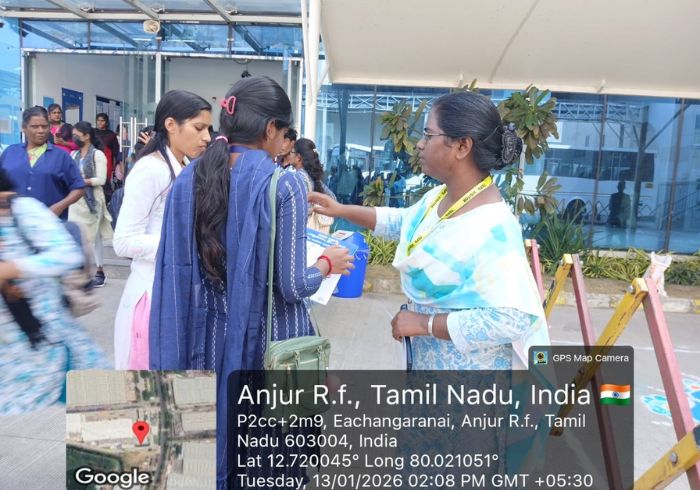
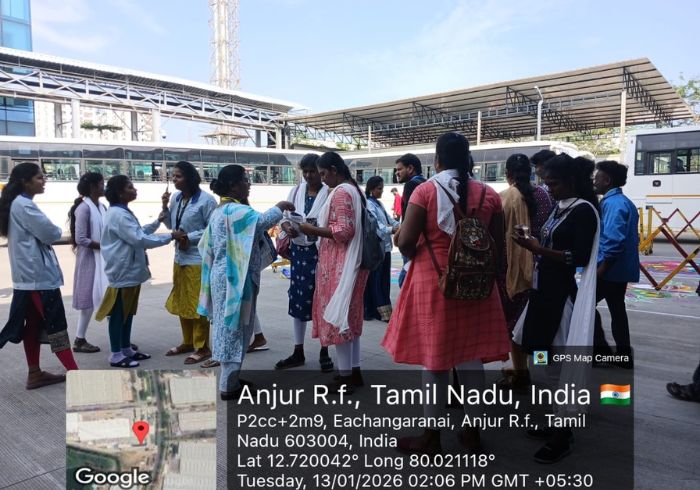
| 5 | 13/01/2026 | TPES (Pegatron) Company | 40-45 | |
| 6 | 19/01/2026 | Foxconn Dormitory | 55-60 | |
| 7 | 20/01/2026 | TPES (Pegatron) Company | 95-100 | |
| 8 | 22/01/2026 | TPES (Pegatron) Company | 55-60 | |
| 9 | 23/01/2026 | Salcomp | 50-55 | |
| 10 | 27/01/2026 | TPES Dormitory (Hosur) | 185-200 | |
| 11 | 29/01/2026 | TPES (Pegatron) Company | 35-40 | |
| 12 | 30/01/2026 | Salcomp | 45-55 | |
| Total Number of Workers Reached 885 - 960 | ||||
5. Engagement & Feedback
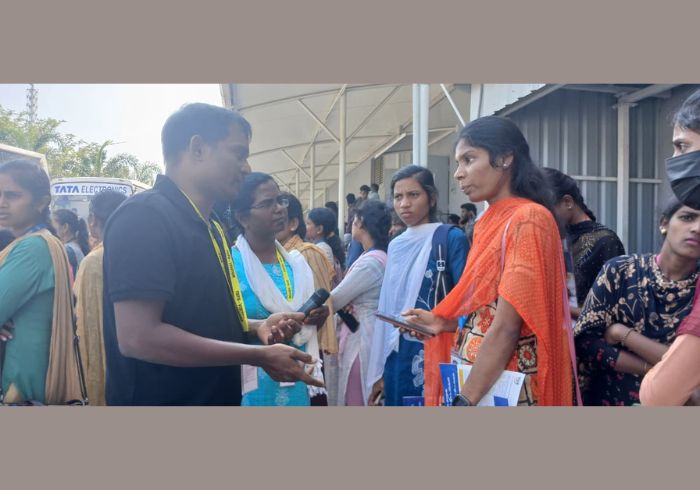
Worker engagement during the company and dormitory visits was active and participatory. Workers expressed particular interestin financial literacy, digital safety, and mental health topics, and actively asked questions. Feedback collected highlighted the usefulness and relevance of the sessions, with workers reporting improved understanding of MWRC services and practical ways to manage finances, health, and well-being. Company management provided support throughout, enabling smooth coordination of sessions and full worker participation.
6. Challenges Encountered
During the outreach activities conducted in January, several operational and engagement- related challenges were encountered while interacting with migrant workers at company premises and dormitories. One of the major challenges was poor network connectivity at company locations. Due to weak or unstable network signals, workers often faced difficulties in receiving OTPs on their mobile phones, which affected processes related to Provident Fund (PF), bank-related services, and other digital documentation support. In addition, many workers did not carry complete or proper documents during the sessions, which limited immediate resolution of their issues.
Another significant challenge was related to workers’ time constraints and physical exhaustion. Most outreach sessions were conducted after shift ours, when workers were tired and eager to return to their dormitories or catch their buses. Many workers expressed concern about missing their bus or reaching their accommodation late, which created a sense of urgency and restlessness. This often reduced the time available for detailed discussions and individual support.
Managing large crowds during shift-out hours was also challenging, as workers were moving quickly and had limited attention spans. However, with the support of company management and on-site support teams, MWRC staff were able to organize workers effectively andcreatespaceforinteraction.Despitethefast-pacedenvironment,theteam successfully used interactive methods such as fun activities, question-and-answer sessions, short videos, and live demonstrations to attract workers’ attention and maintain engagement.
To address documentation-related challenges, MWRC staff conducted one-to-one interactions with workers, carefully listening to their concerns and resolving queries wherever possible. Workers who did not have proper documents were advised to bring therequireddocumentsduringthenextvisitortokeepsoftcopiesproperlysavedontheir mobile phones. In several cases, staff guided workers on how to organize and store documents digitally to ensure smoother support in future sessions.
Language barrier sand varying levels of digital literacy so posed challenges, particularly when explaining PF processes, online systems, or cyber safety concepts. These challenges were addressed by using simple language, real-life examples, visual aids, and repeated explanations when necessary. Over time, it was observed that workers became more comfortable and confident in approaching the MWRC team on their own to discuss personal concerns, documentation issues, and service-related queries.
Despite these challenges, the MWRC team remained effective in drawing workers’ attention toward MWRC services. Gradually, many workers voluntarily approached the team, demonstrating increased trust and awareness. Through consistent engagement, supportive communication, and coordinated efforts with company support teams, MWRC was able to ensure meaningful outreach, even in time-constrained and high-pressure environments.
7. Learnings & Reflections
Interactive and participatory methods such as mime, videos, group activities, and discussions proved highly effective in engaging workers and enhancing their understanding. Staff training significantly improved professional and communication skills, enabling better field engagement. It was observed that continuous follow-up sessions and refresher training would further enhance worker awareness and staff effectiveness.Understandingculturaldiversityandworkermentalwell-beingwerekey insights from the month’s activities, emphasizing the need for a sensitive, empathetic approach during interactions.
8. Training & Capacity Building
A two-day staff training programme was conducted on 7th& 8th January at the Pannur Office. On the first day, staff attended sessions on Financial Literacy led by Ms. Srishti and Ms.Gautami, covering saving, investment, loan management, EMI calculations, safe borrowing practices, and online safety. Ms.Kripaguided staff on cyber security and safe digital transactions, including reporting fraud through the helpline 1930. The afternoon session focused on Professional Development, emphasizing skill-building, professional behavior, workplace etiquette, and career growth. Staff engaged in interactive activities, presentations, videos, and discussions to consolidate learning, and were given assignments to prepare for Day 2.
On the second day, the focus was on Communication, Cultural Integration, and Mental Well-being.MWRCstaffpresentedtheirassignmentsandreceivedconstructivefeedback from the Sampark Team and Ms. Bhargavi. Sessions encouraged interactive discussions on cultural diversity, adapting to local environments, effective communication with colleagues, and observing mental and emotional well-being of workers. Staff were
trained to provide supportive counseling and recognize signs of stress, loneliness, or emotional disturbance. Interactive learning methods including group activities, quizzes, videos, and comic books were used to reinforce knowledge. The training concluded successfully with feedback collection and a group photo, leaving staff better equipped to engage with workers in field activities.
9. Conclusion
The activities conducted in January 2026 successfully enhanced staff capacity and worker awareness. Outreach sessions and the two-day training strengthened MWRC’s ability to provide practical support and guidance to migrant workers. Workers gained valuable knowledge on financial literacy, health, digital safety, and social well-being, while staff improved their communication, cultural integration, and professional skills. Continued capacity-building efforts, combined with strong coordination with stakeholders, will ensure sustained effectiveness in supporting migrant workers in the coming months.