14 January, 2026
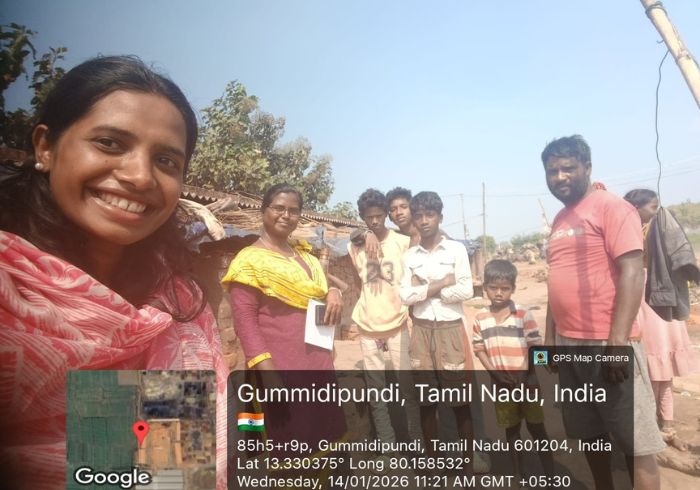
Date of Visit: 14 January
Organised by: Don Bosco Migrant Services (DBMS)
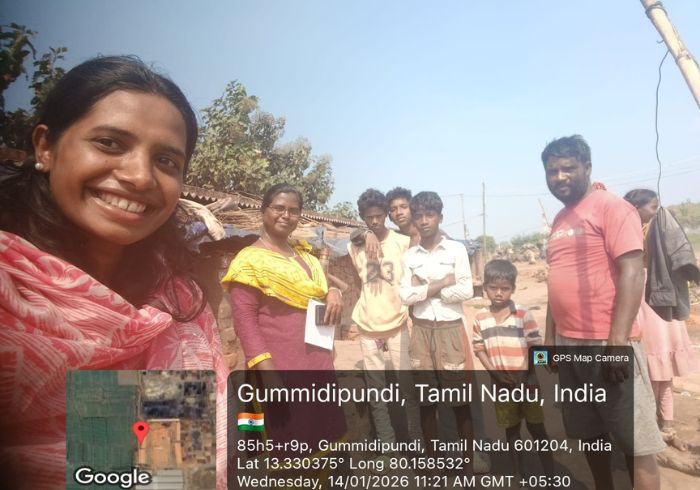
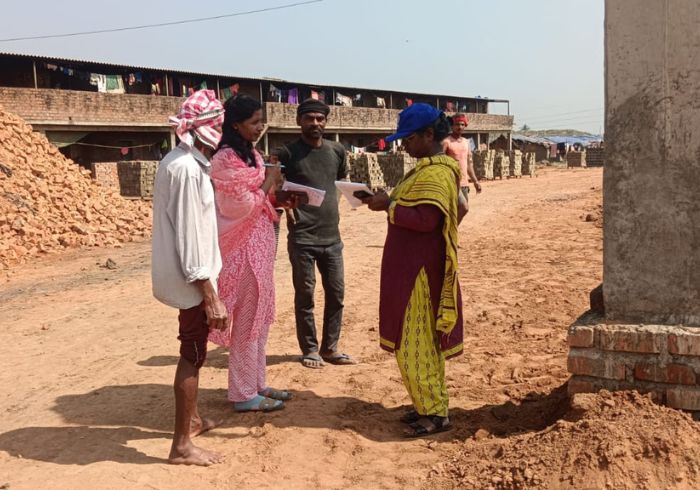
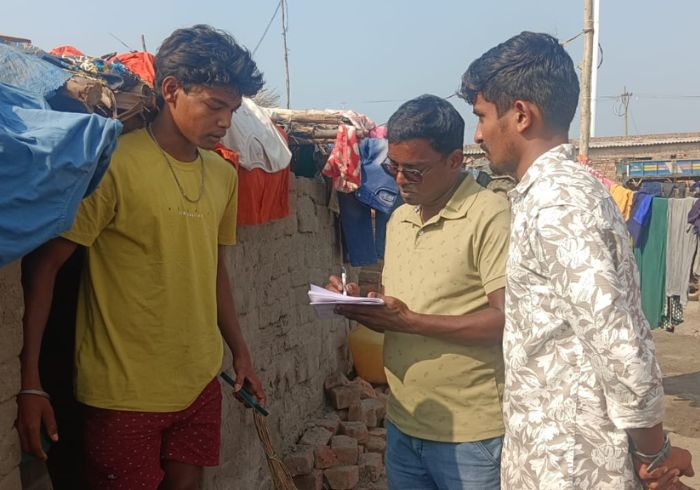
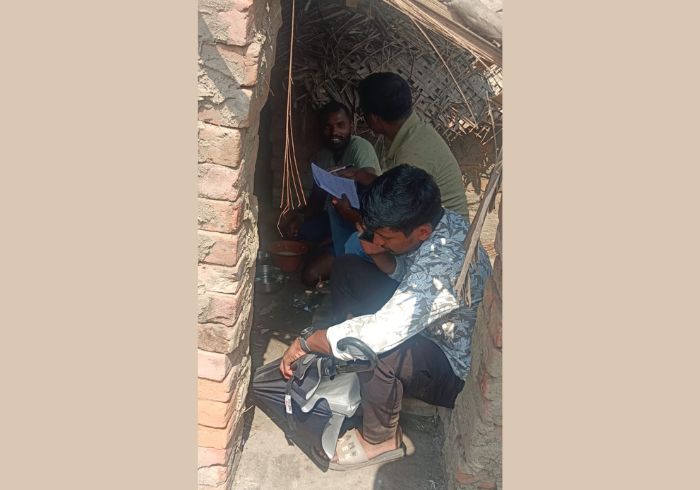
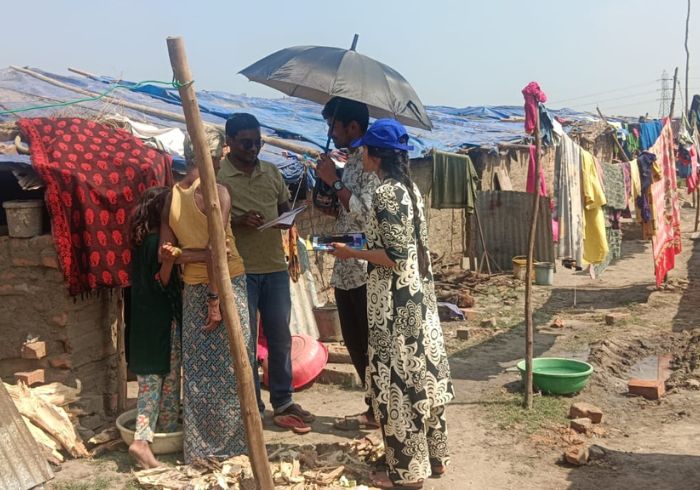
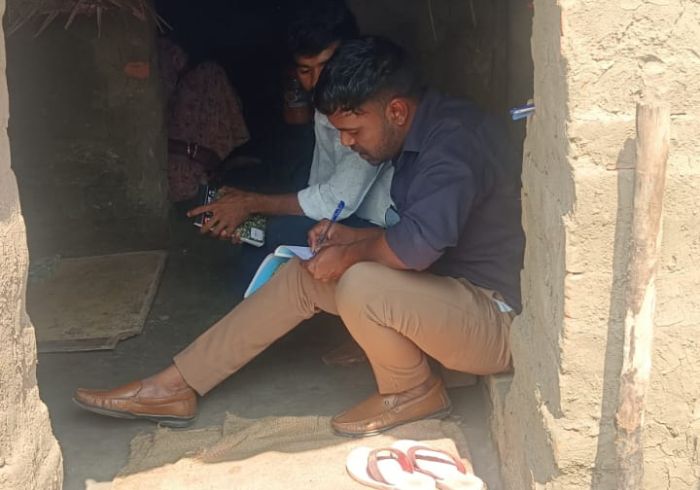
A field visit was conducted by Don Bosco Migrant Services (DBMS) on 14 January to the brick kiln migrant settlement at Kavarapettai with the objective of understanding the living and working conditions of migrant workers and interacting with them through a brief survey. The visit was carried out along with the DBMS team, during which direct interactions were held with migrant families residing in the brick chambers.
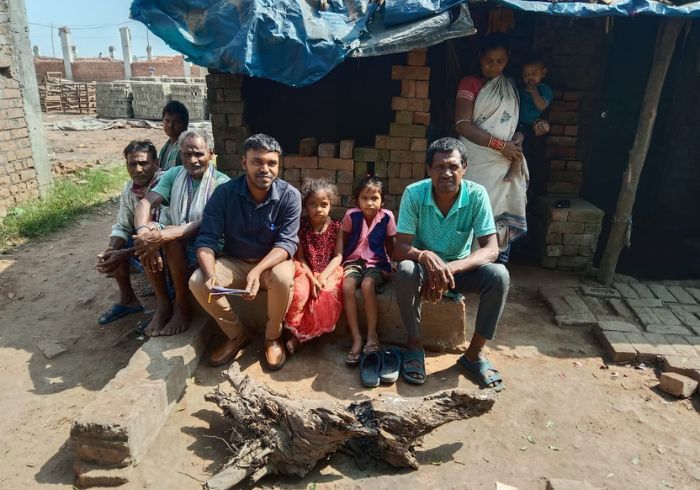
During the visit, two brick kiln residential chambers were covered, and approximately 200 survey responses were collected through direct interaction with migrant families. The workers mainly depend on daily wage labour at brick kilns and have migrated in search of employment from various states including Bihar, Odisha, Chhattisgarh, and Uttar Pradesh. These interactions helped in gaining insights into their daily struggles, challenges, and survival conditions.
It was observed that there are around five to six brick chambers in this area, each accommodating a large number of migrant families. Overall, an estimated 2,300 to 2,500 people, including men, women, and children, are residing in these brick kiln settlements. In one large chamber alone, around 50–60 small children were present. When all chambers are considered together, approximately 220–250 small children are living in this area, and none of them currently have access to any form of formal education.
The living conditions of the migrant workers were found to be extremely difficult. The workers engage in long hours of physically demanding labour under extreme heat and direct sunlight, without any safety equipment such as helmets, gloves, or protective footwear. Their shelters are a mix of temporary and semi-permanent structures, most of which lack proper doors and secure housing facilities. Cooking is done outdoors using firewood stoves. Drinking water is supplied through tanker services, while bathing facilities are limited to common open water tanks. Most of the brick chambers do not have toilet facilities, forcing residents to practice open defecation, posing serious health risks and affecting their dignity. Although toilet construction has been initiated in one chamber, it is still incomplete and not yet usable.
During interactions with the migrant workers, a major concern expressed by the parents was their children’s education and future. Due to persistent poverty and continuous migration across states for employment, children’s education is frequently disrupted. Many parents are themselves uneducated and are unable to provide academic support to their children. As a result, most children either drop out after primary or middle school or remain completely out of the education system. Younger children migrating with their families lose foundational learning opportunities, making continued education increasingly difficult and leading to a gradual loss of interest in studies.
Overall, the field visit presented a distressing picture of the harsh realities faced by migrant workers in brick kiln settlements. Despite their tireless labour, they continue to live in vulnerable conditions with limited access to basic amenities such as sanitation, healthcare, safe housing, and education. The findings strongly highlight the need for welfare awareness, educational support for migrant children, health and hygiene initiatives, and continuous social accompaniment to improve the quality of life and future prospects of migrant worker families.